
What are IEC 61851 and TIS 62196?
IEC 61851 charging modes and Type 2 plugs under TIS 62196 explained simply, with a safety checklist for juristic persons before installing EV chargers.
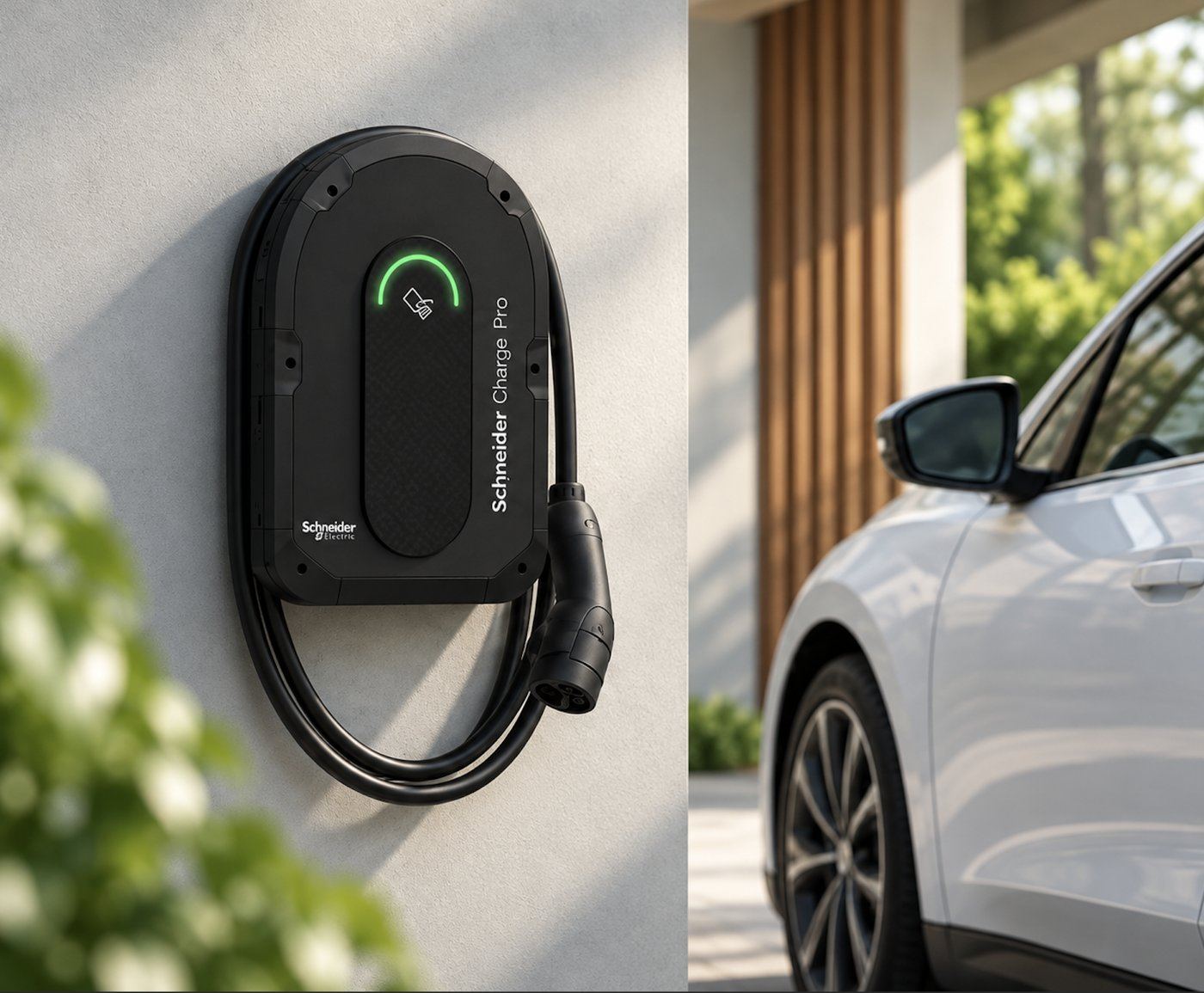
When comparing charger installers, juristic persons see a lot of standard numbers in quotations. This article explains what each one means and what to ask an installer for before you sign.
What is IEC 61851?
IEC 61851 is the International Electrotechnical Commission's standard for conductive EV charging systems. It covers the charger itself, its communication with the car and protection against electric shock. Its core idea is four charging modes.
| Mode | What it is | Right for a condo? |
|---|---|---|
| Mode 1 | Plugged straight into an ordinary socket, with no dedicated control or protection | No |
| Mode 2 | Portable cable with an in-line control box, plugged into an ordinary socket | Emergency use only |
| Mode 3 | Fixed AC charger on a dedicated circuit, talking to the car over the control pilot line | Best choice |
| Mode 4 | DC fast charger that converts power inside the unit and feeds the battery directly | Possible, but high cost and electrical load |
In Mode 3, the charger doesn't energize the cable until the car is properly connected, and it tells the car the maximum current it may draw. If anything goes wrong, it cuts power immediately. That's why a wall charger is much safer than an ordinary socket.
What is TIS 62196?
TIS 62196 is the Thai Industrial Standard based on IEC 62196. It defines the shape and safety of plugs, sockets and vehicle connectors. Thailand uses Type 2 for AC charging and CCS2 (Type 2 with two extra DC pins) for DC fast charging. A certified connector fits the car properly, handles the heat of high current and keeps fingers away from live pins.
Where does EIT come in?
The standards above cover equipment, but real-world safety also depends on installation. The Engineering Institute of Thailand (EIT) publishes the electrical installation standard for Thailand, covering cable sizing, dedicated circuits, earthing and protection devices. For EV chargers, the international rule (IEC 60364-7-722) also requires residual current protection that detects DC leakage, such as an RCD Type B, or Type A combined with 6 mA DC leakage detection.
Checklist before you sign
- Charger certified to IEC 61851, connector to IEC 62196 / TIS 62196
- A Mode 3 charger on a dedicated circuit, not shared with other loads
- Residual current protection suited to EV chargers, and correct earthing
- Design and supervision by a licensed electrical engineer
- Equipment insurance and third-party liability cover
- A clear maintenance plan and a way to report problems
EVC's standards
EVC's charging stations meet IEC 61851, TIS and EIT standards, are designed and maintained by electrical engineers at every step, and come with full equipment warranty and insurance. Our recommended charger is the PILOT AC 22kW with a Type 2 connector (compared with the Schneider Charge Pro). See every protection layer in safety systems at a condo EV charging station. See the full process in how to get started with EV chargers in your condo.
References
Frequently asked questions
Which cars work with a Type 2 plug?
Type 2 is the standard AC plug in Thailand, and almost every EV sold in Thailand supports it, including Tesla, BYD, MG, GWM, NETA, Volvo and BMW.
Can residents charge from an ordinary socket in a condo?
Not for everyday use. Ordinary sockets aren't designed to carry high current for hours at a time. Use a wall-mounted (Mode 3) charger on a dedicated circuit with proper protection.
What's the difference between IEC 61851 and IEC 62196?
IEC 61851 covers the whole charging system, such as charging modes and protection. IEC 62196 covers only the plugs, sockets and connectors.
Sources and standards
- IEC 61851-1:2017 – Electric vehicle conductive charging system, Part 1: General requirements
- IEC 62196-1:2022 – EV plugs, socket-outlets, vehicle connectors and inlets, Part 1: General requirements
- IEC 62196-2:2022 – AC charging connectors (Type 2), Part 2
- มอก. 61851 เล่ม 1-2560 (TIS 61851-1) ระบบประจุไฟฟ้าผ่านตัวนำของยานยนต์ไฟฟ้า
- มอก. 62196 เล่ม 2-2566 (TIS 62196-2, identical to IEC 62196-2:2022)
- IEC 60364-7-722:2018 – Low-voltage electrical installations: Supplies for electric vehicles
- มาตรฐานการติดตั้งทางไฟฟ้าสำหรับประเทศไทย (วสท. / EIT Thai Electrical Code)
Newsletter
Get new articles by email
EV charging know-how for condos and buildings, every two weeks.
Related articles
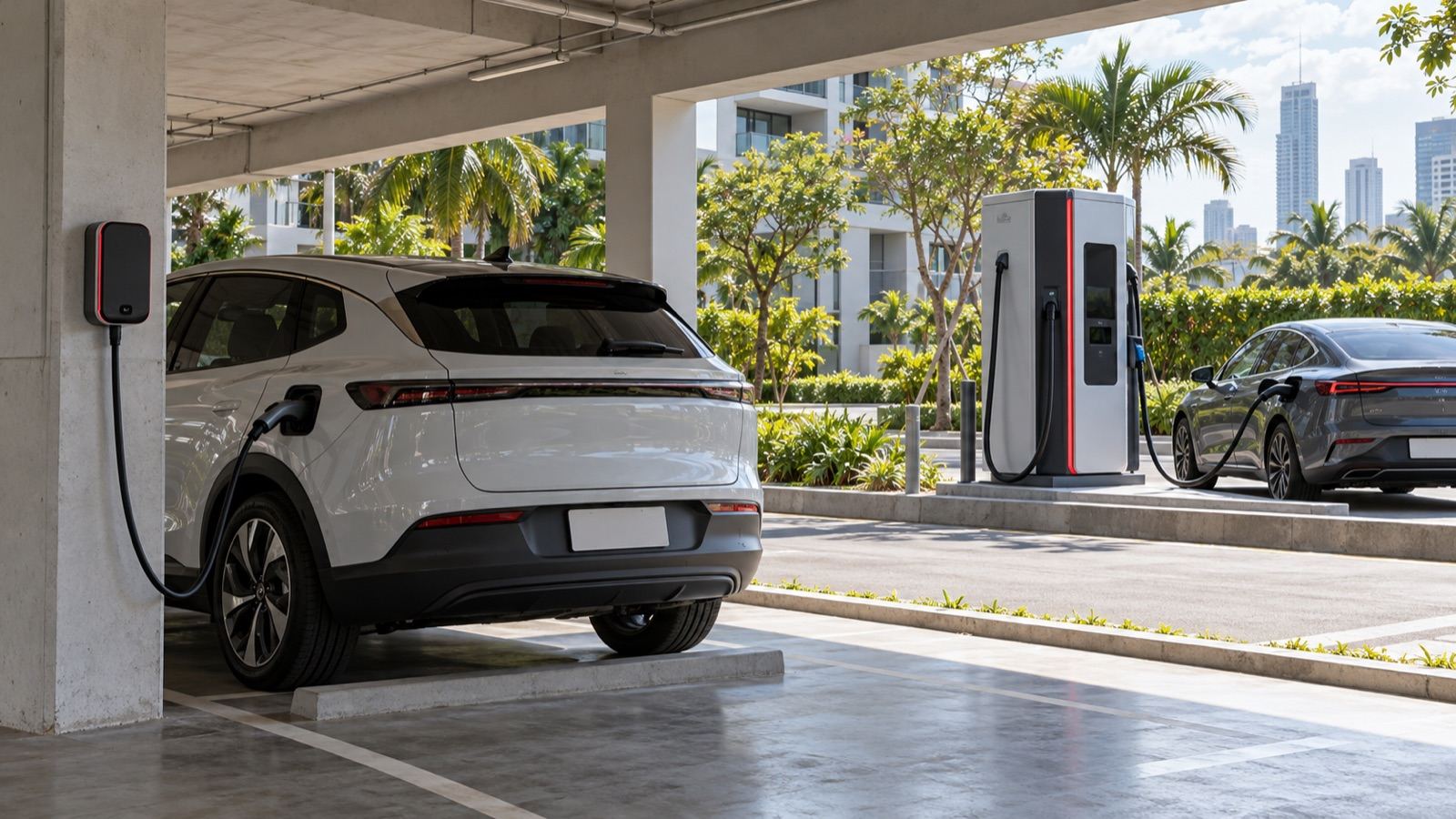
AC vs DC charging: what's the difference?
Choose the right charger for your residence or building
Read more →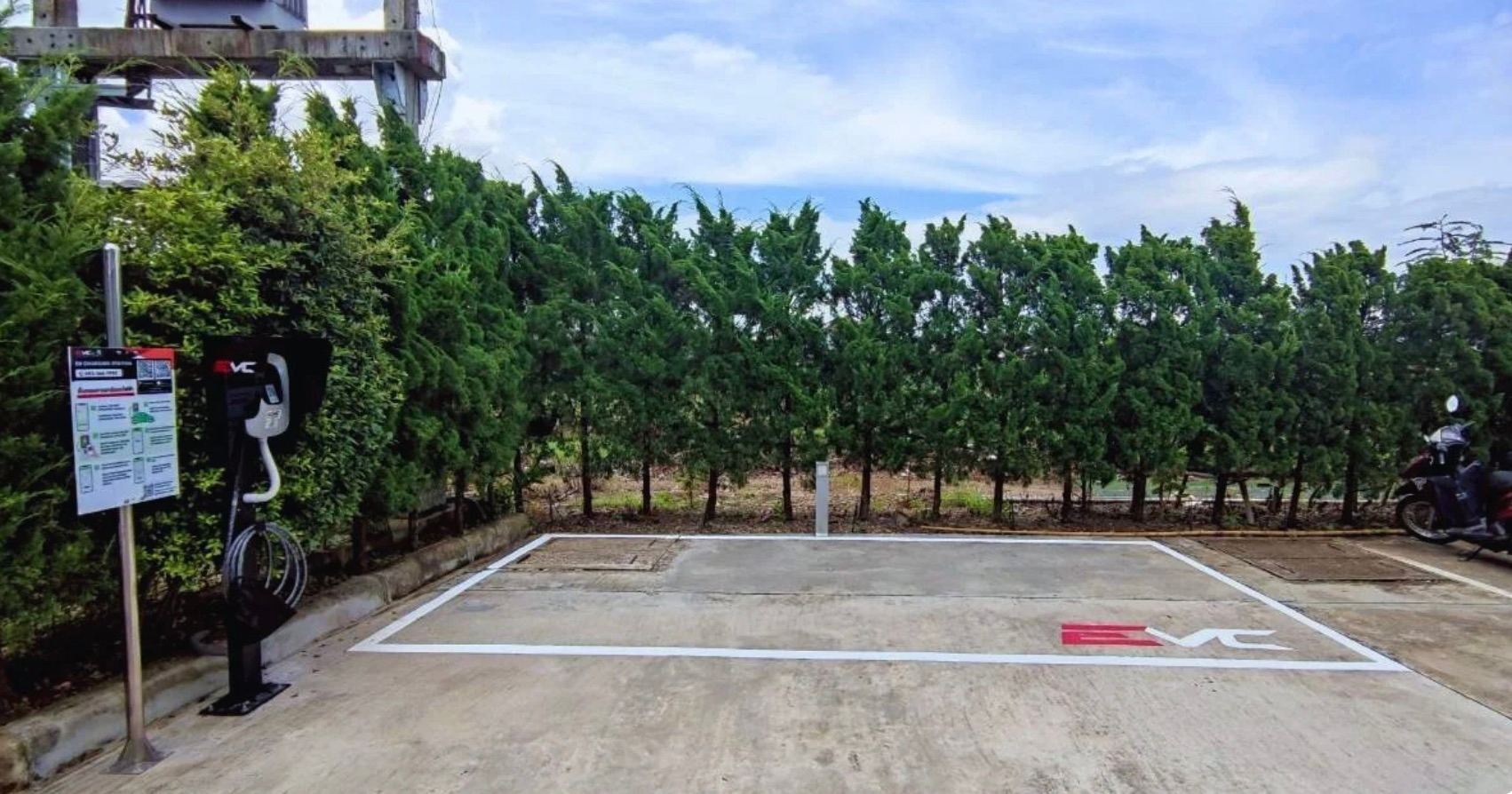
How to get started with EV chargers in your condo
Every step from site survey and electrical design to opening for residents, with zero investment from the condo
Read more →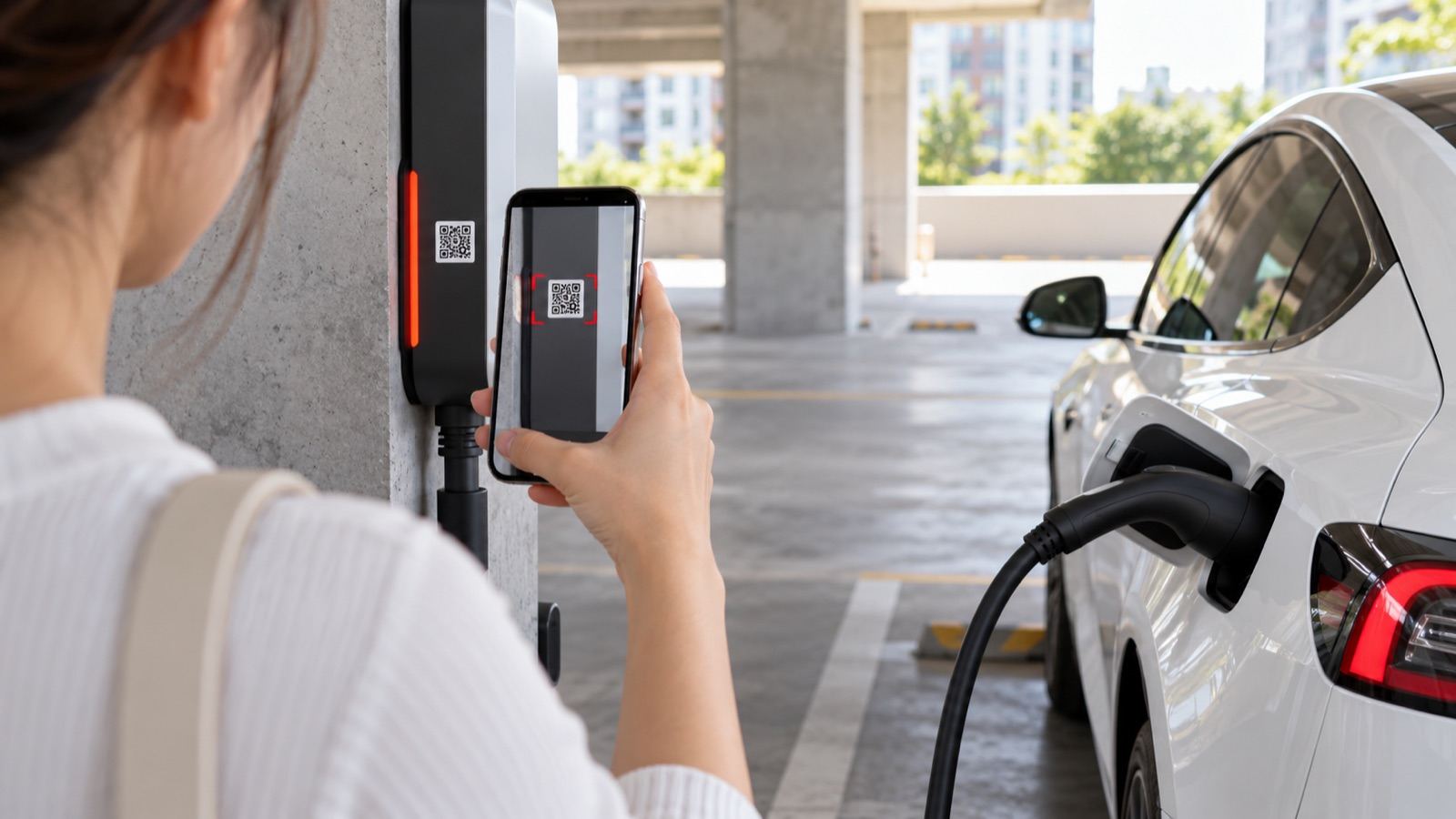
Charging with the Galvanic app, step by step
Scan a QR code, start or stop charging, and pay with PromptPay or credit card
Read more →