
EV chargers for condos: PILOT AC 22kW and Schneider Charge Pro
PILOT AC 22kW vs Schneider Charge Pro: power, connector, weather protection, connectivity and standards of the wall chargers EVC installs in condos.
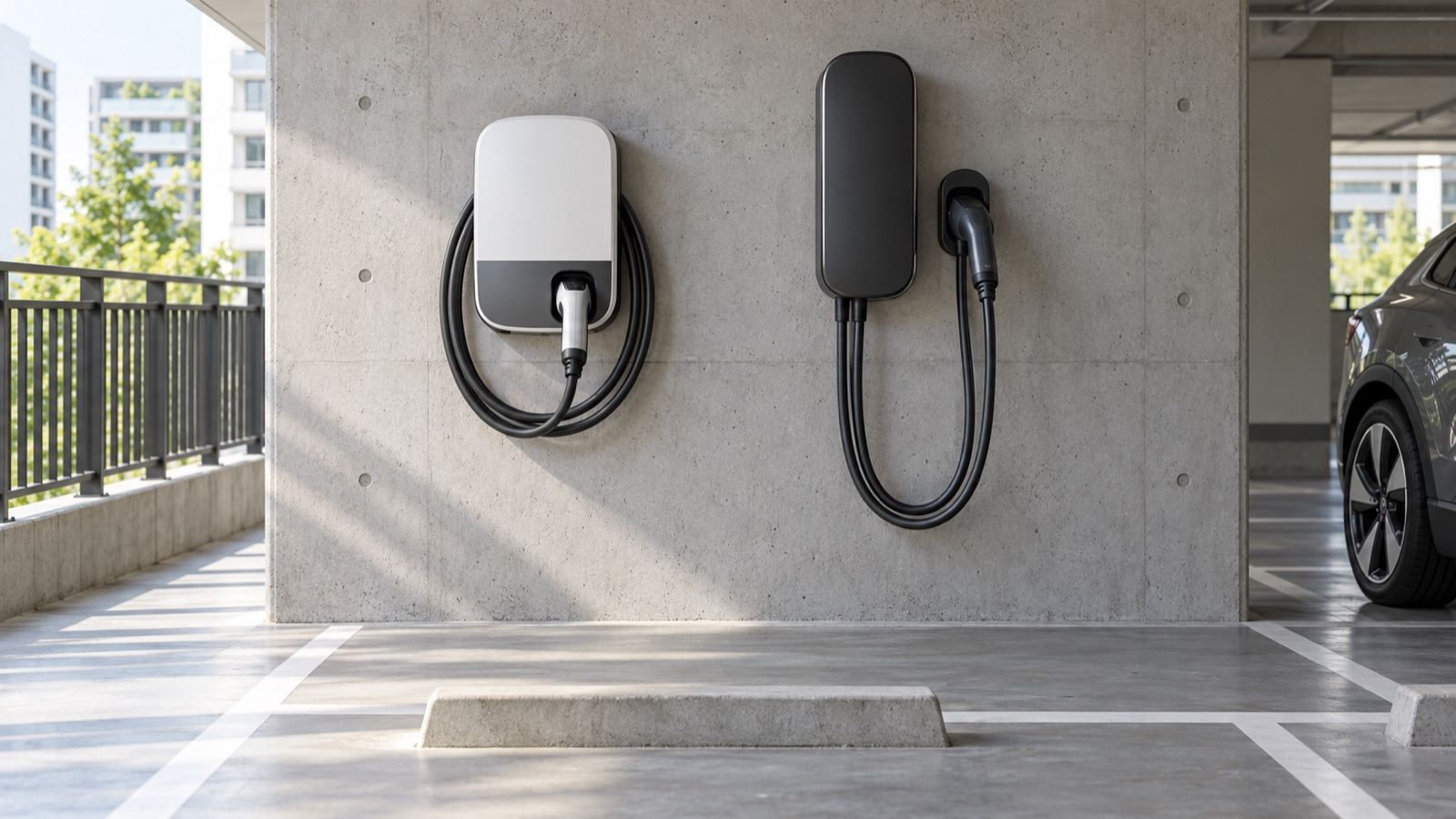
A condo charger has to handle daily use, be safe, and connect to an app to collect payment. This article compares the two wall-mounted AC chargers EVC installs, based on each model's specification sheet.
PILOT AC 22kW: EVC's recommended model
A wall-mounted AC charger for condos and buildings (PILOT brand by Sino Energy, code PEVC2107). It works in indoor and outdoor car parks, and it's the charger in use at EVC's stations.
- 22 kW (three-phase AC)
- Type 2 connector, works with every EV brand that uses this standard
- IP55 water and dust protection
- OCPP 1.6J connection to the management system; residents scan a QR code in the Galvanic app and pay with PromptPay or a credit card
- Certified to IEC 61851-1 and IEC 62196; electrical equipment certified to TIS and/or IEC
- Comes with equipment warranty and insurance
Schneider Charge Pro: an alternative 22 kW AC option
Model EVB4S22NC0 in the Schneider Charge Pro range. The details below come from Schneider Electric's product documentation.
| Power | Supply | Voltage | Current |
|---|---|---|---|
| 7.4 kW | Single-phase | 230 V | 32 A |
| 11 kW | Three-phase | 400 V | 16 A |
| 22 kW | Three-phase | 400 V | 32 A |
- Maximum charging current adjustable from 6 to 32 A
- Tethered 7 m Type 2 cable; wall or pedestal mounting (pedestal sold separately); indoor and outdoor use
- Built-in 6 mA DC leakage detection (RDC-DD)
- Built-in Wi-Fi and two Ethernet ports, connecting over OCPP 1.6J
- Free use, or access limited to RFID cards
- Supports building load management through an optional module and Modbus
- Standards: IEC 61851-1, IEC 62196-1/-2 and IEC 62955
- 418 × 292 × 119 mm, 7 kg
Things to know about the EVB4S22NC0: it has no built-in MID billing meter, no 4G modem (so it needs Wi-Fi or Ethernet on site), and Plug and Charge (ISO 15118) needs an extra module.
Side by side
| PILOT AC 22kW | Schneider Charge Pro (EVB4S22NC0) | |
|---|---|---|
| Power | 22 kW (three-phase) | 7.4 / 11 / 22 kW (single- or three-phase) |
| Connector | Type 2 | Type 2, tethered 7 m cable |
| Installation | Wall, indoor and outdoor (IP55) | Wall or pedestal, indoor and outdoor |
| Connectivity | OCPP 1.6J | OCPP 1.6J over Wi-Fi / Ethernet |
| Standards | IEC 61851-1, IEC 62196 | IEC 61851-1, IEC 62196-1/-2, IEC 62955 |
What EVC installs with every charger
- A dedicated circuit, separate from the building's other systems
- A Type B residual current breaker per charger, protecting against AC and DC leakage
- An independent, clearly labelled main breaker
- A red emergency stop button on every charger
- Earthing to PEA/MEA standards, installed by licensed electrical engineers
Besides these two models, EVC also works with ABB, Delta and Teison. The EVC team will survey your site and assess the electrical system to choose the right charger, free and without commitment. For charging times, read how long it takes to charge an EV.
PILOT, Schneider Electric and Schneider Charge Pro are names and trademarks of their respective owners. Specifications come from the manufacturers' documents; check with the manufacturer before deciding.
Frequently asked questions
Which is better, PILOT or Schneider?
Both are 22 kW AC chargers with Type 2 connectors and IEC certification. The right one depends on the building's electrical system, where it's installed and the internet connection on site. EVC's engineers assess this and recommend one during the free site survey.
Do the chargers need internet?
Chargers that work with the app connect to the management system over OCPP. The Schneider Charge Pro EVB4S22NC0 has no built-in 4G modem, so it needs Wi-Fi or Ethernet on site.
Which car brands can use them?
Both use Type 2 connectors and work with every EV brand in the Thai market that uses this standard, such as Tesla, BYD, MG, GWM, NETA, Volvo and BMW.
Sources and standards
- IEC 61851-1:2017 – Electric vehicle conductive charging system, Part 1: General requirements
- IEC 62196-2:2022 – AC charging connectors (Type 2), Part 2
- IEC 62955:2018 – Residual direct current detecting device (RDC-DD) for Mode 3 charging
- OCPP 1.6J – Open Charge Point Protocol, Open Charge Alliance
- Schneider Electric – Schneider Charge Pro EVB4S22NC0 product data
Newsletter
Get new articles by email
EV charging know-how for condos and buildings, every two weeks.
Related articles
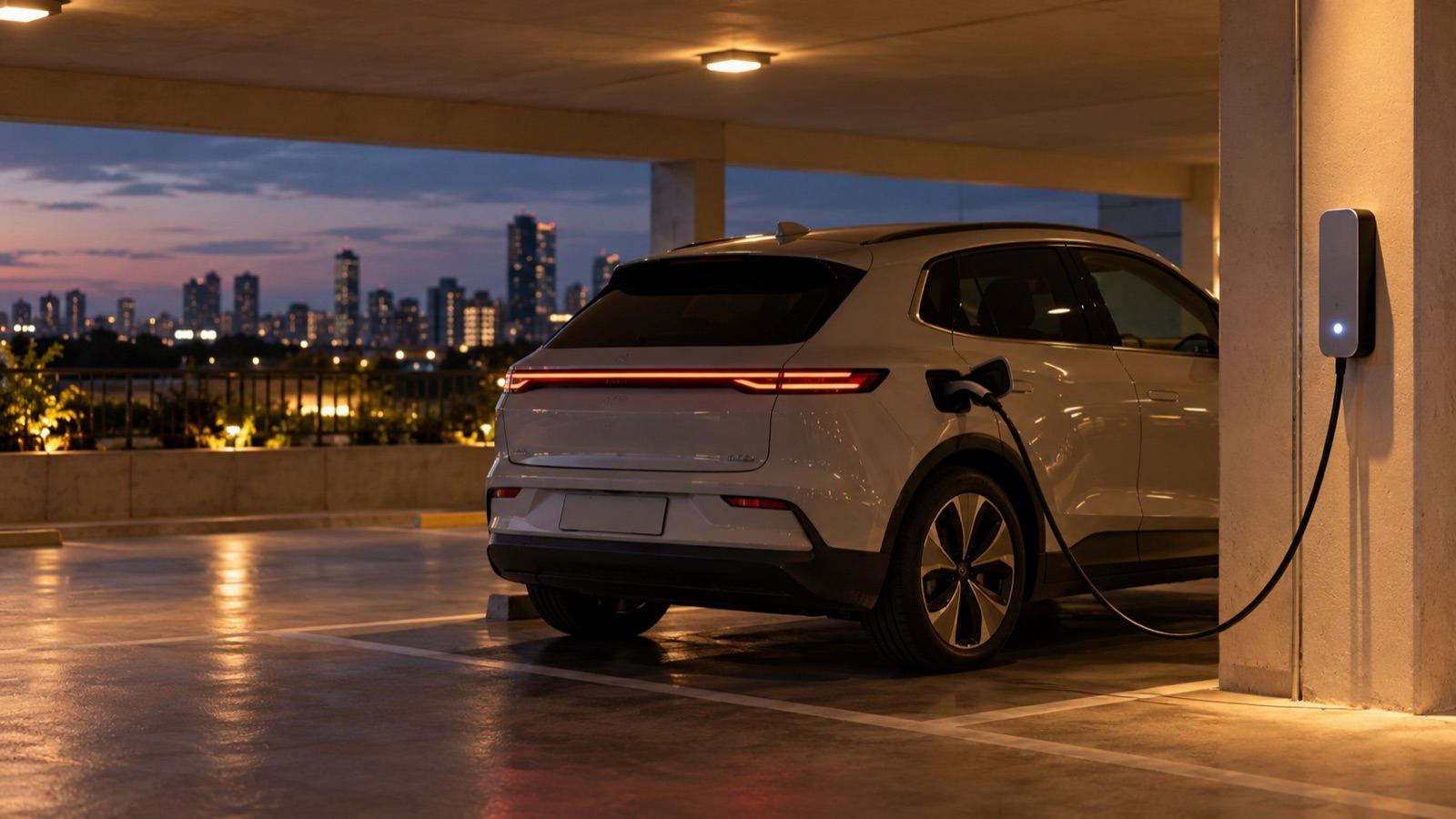
How long does it take to charge an EV? Why 22 kW isn't always faster
Charging time depends on the car's on-board charger; here's how to estimate it
Read more →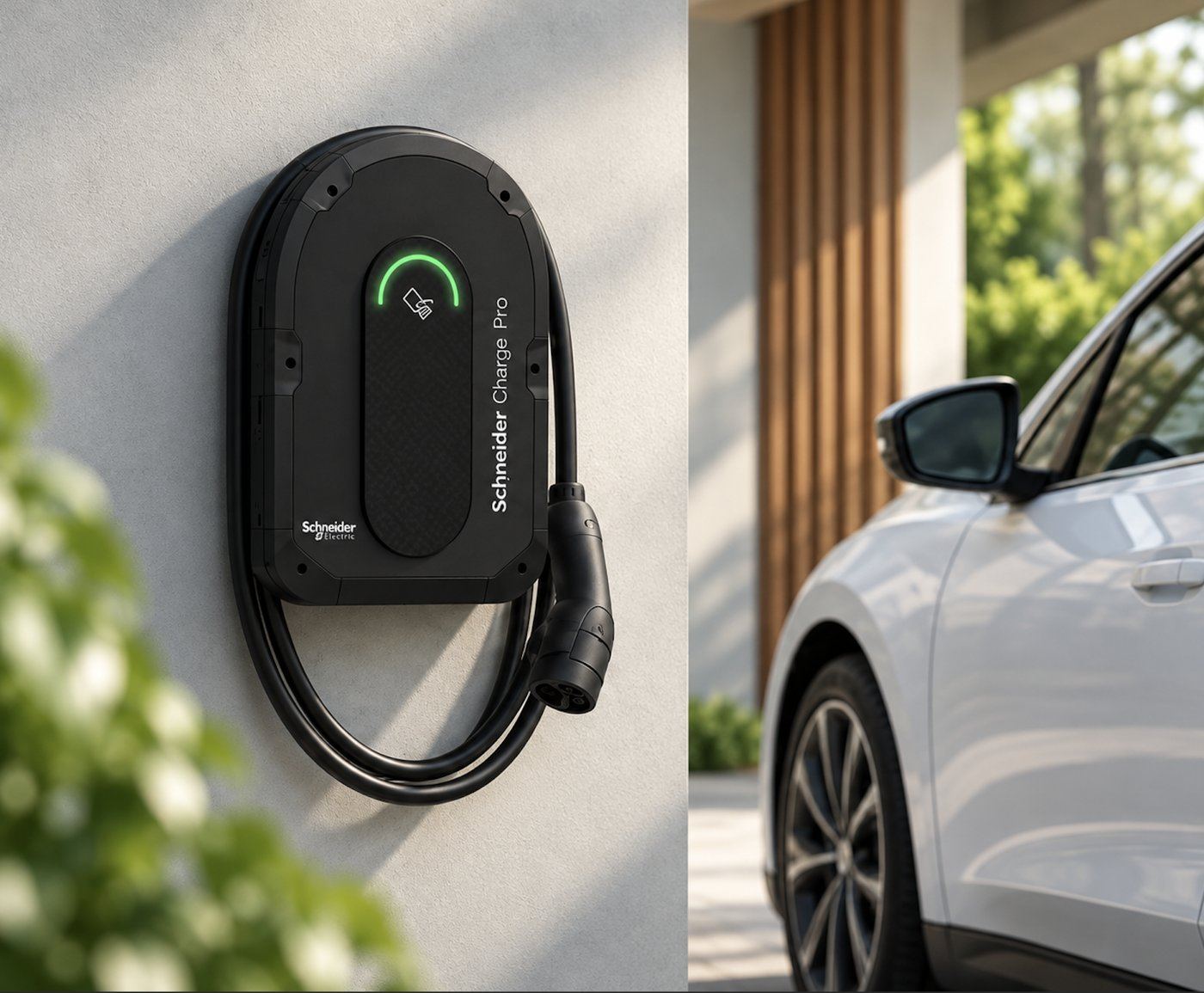
What are IEC 61851 and TIS 62196?
The charger and plug safety standards every condo should check before installing
Read more →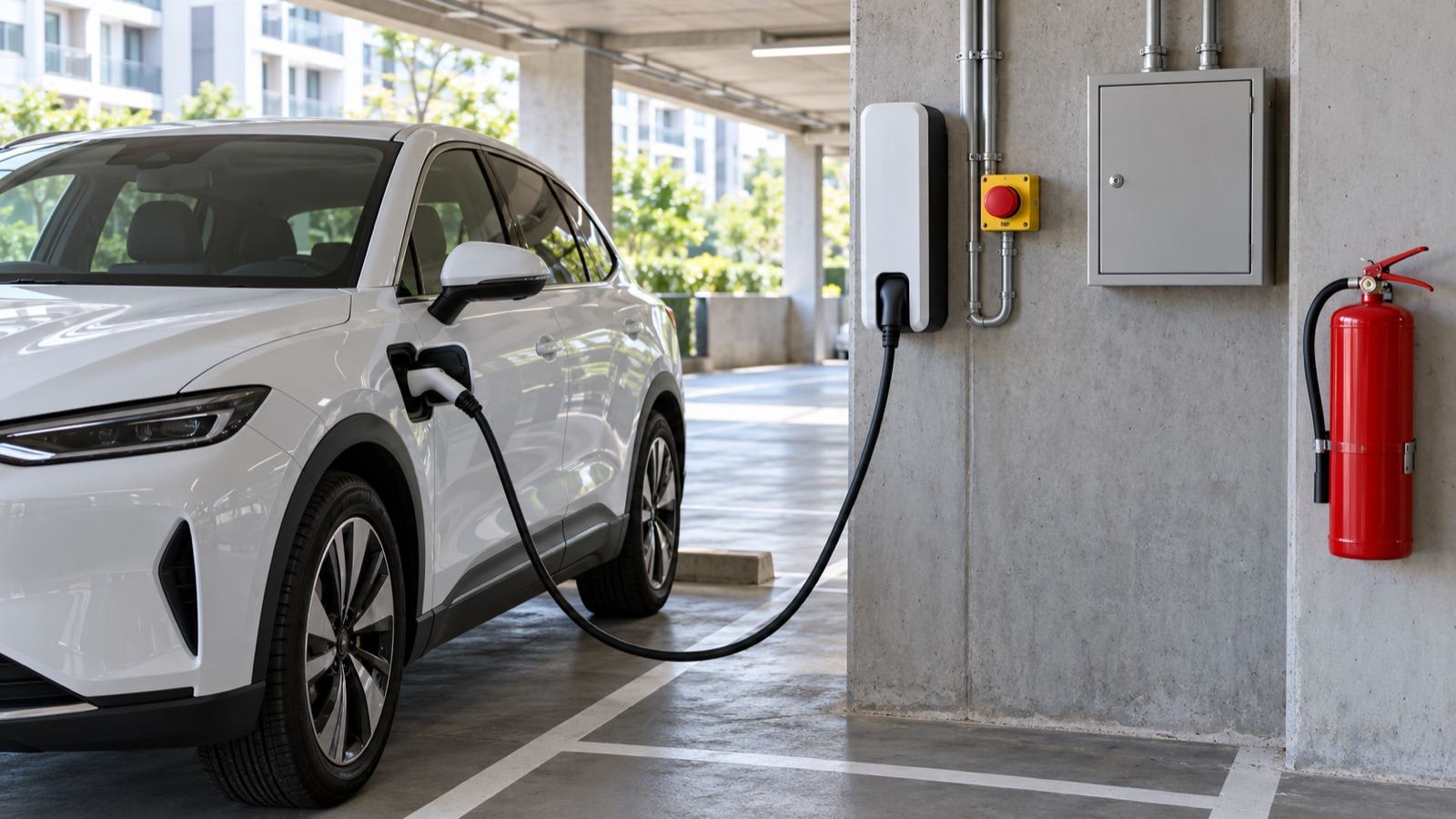
Safety systems at a condo EV charging station
Dedicated circuit, Type B breakers, three cut-off points and on-site safety equipment
Read more →